
Popular Foundation Repair Tools For Effective Structural Fixes
Learn about essential tools and materials that make foundation repairs easier and more reliable for any project.
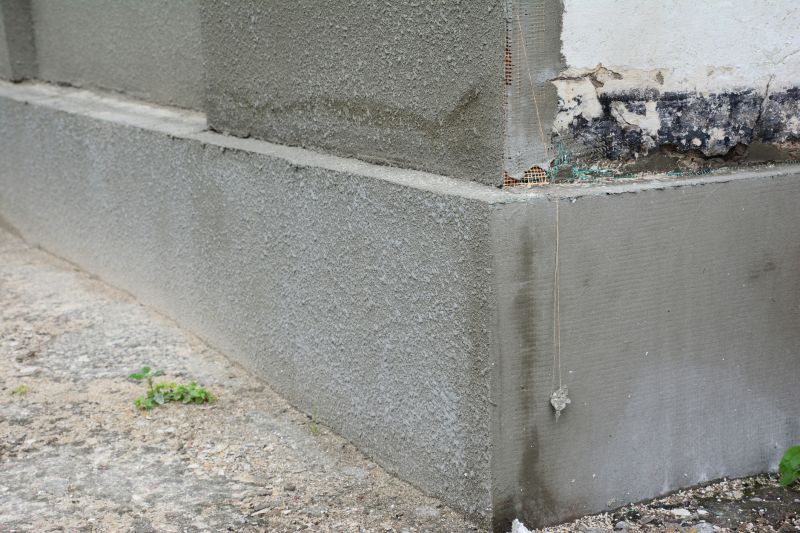 Foundation repairs are a critical aspect of maintaining the structural integrity of a building. When issues such as settling, cracking, or shifting occur, selecting the appropriate products can help address these challenges effectively. In Pickerington, OH, homeowners and contractors often look for reliable solutions that provide stability and long-term support. The market offers a variety of products designed to stabilize and lift foundations, each suited to different types of foundation problems and soil conditions.
Top Overall Option
Hydraulic Pier Support System
A hydraulic pier support system offers a versatile approach to foundation stabilization by providing adjustable support beneath the structure. These systems are designed to lift and stabilize foundations affected by settling or shifting, distributing weight evenly and restoring structural integrity. They are suitable for a variety of foundation types and soil conditions, making them a popular choice among contractors and homeowners seeking reliable, long-term solutions.
Types of Products For Foundation Repairs
Push Piers
Push piers are driven into the soil beneath the foundation to provide stable support and lift the foundation back to its original position.
Helical Piers
Helical piers feature helical plates that allow them to be screwed into the ground, offering support in a variety of soil conditions.
Slab Jacking / Mudjacking
This method involves injecting a slurry beneath concrete slabs to lift and stabilize sunken areas.
Polyurethane Foam Injection
A quick and minimally invasive option that uses expanding foam to fill voids and lift slabs or stabilize soil.
Underpinning Systems
Underpinning involves extending the foundation's depth or width to improve stability and support.
Beam and Plate Supports
These supports reinforce existing beams and plates to prevent further movement.
Grout Injection
Grout is injected into soil or cracks to fill voids and strengthen the foundation structure.
Concrete Piers
Concrete piers are poured in place to provide solid support beneath the foundation.
Steel Push Piers
Made of steel, these piers offer high strength support and are driven into the ground to stabilize foundations.
Soil Stabilization Products
Products designed to improve soil bearing capacity and reduce settlement issues.
Crack Repair Sealants
Sealants used to fill and prevent further cracking in foundation walls and slabs.
Drainage Improvements
Systems that improve water drainage around the foundation to prevent water-related issues.
Popular Choices
Widely used for its adaptability and effectiveness in various foundation repair scenarios.
A popular choice for quick, minimally invasive repairs to stabilize slabs and fill voids.
Commonly selected for their ability to lift and support sinking foundations.
Favored for their ability to support foundations in challenging soil conditions.
Often used for leveling sunken concrete slabs efficiently.
Popular for sealing cracks and preventing water intrusion.
Chosen for its effectiveness in filling voids and reinforcing foundation elements.
Selected for their durability and ability to provide solid support.
Increasingly used to address soil-related foundation issues.
Effective in managing water flow to protect foundations from water damage.
Known for their strength and ability to support heavy loads.
Understanding the range of available products is essential for making informed decisions. From hydraulic pier systems to polyurethane foam injections, each product type serves a specific purpose and application. Proper assessment of the foundation's condition, soil type, and extent of damage can guide the choice of the most appropriate repair method. Consulting with a foundation specialist can help identify the best options tailored to local conditions.
Foundation repair products are engineered to work with various types of foundations, including concrete slabs, basements, and pier-and-beam structures. They are designed to restore stability, prevent further settlement, and sometimes lift the foundation back to its original position. Durability and compatibility with existing structures are key considerations when selecting repair products. Regular inspections and maintenance can also extend the lifespan of repairs and help detect issues early.
Choosing the right foundation repair products involves evaluating factors such as ease of installation, cost-effectiveness, and the specific needs of the property. Proper application and quality materials are essential to ensure effective and lasting results. Whether undertaking a minor repair or a major overhaul, understanding the available options can lead to more confident decision-making and better outcomes for property owners in Pickerington, OH.
Key Buying Considerations
- Assess the extent and type of foundation damage to determine suitable repair products.
- Consider soil type and conditions, as some products perform better in certain soils.
- Evaluate the load-bearing requirements of the structure to select appropriate support systems.
- Look into the compatibility of repair products with existing foundation materials.
- Determine whether a minimally invasive solution like foam injection is suitable or if more extensive underpinning is needed.
- Check the installation process and whether professional assistance is required.
- Review the long-term durability and maintenance needs of the chosen products.
- Compare costs and warranties offered by different repair systems.
- Ensure products comply with local building codes and standards.
- Consider the potential for future repairs or adjustments when selecting products.
- Evaluate the environmental conditions, including moisture levels and drainage, that may influence product performance.
- Prioritize products with proven performance in similar soil and foundation types.
- Research the reputation and experience of the supplier or manufacturer.
- Assess the ease of installation and the timeframe for completing repairs.
- Consider the aesthetic impact of repair products, especially for visible areas.